Cost of Living in Staunton, VA: A Complete Guide for New Residents


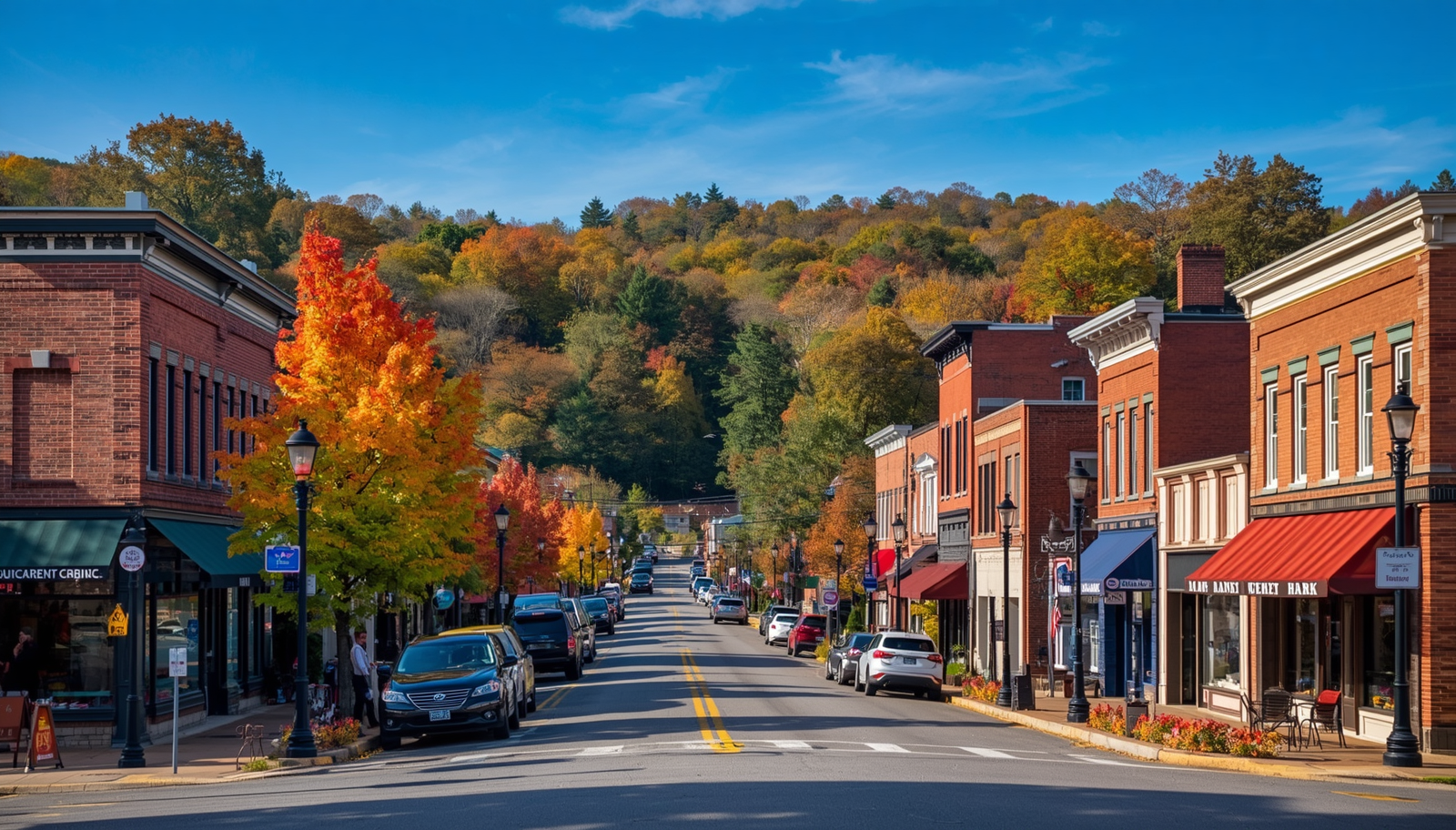
Downtown Staunton, VA, featuring historic buildings and colorful fall foliage.

Moving to a new city involves more than finding the right home. Understanding everyday expenses can help you decide whether an area fits your budget and lifestyle. Staunton has become an increasingly attractive place to live thanks to its historic downtown, scenic Shenandoah Valley location, and strong sense of community. Whether you're relocating for work, retirement, or a fresh start, self-storage in Staunton can provide flexible storage solutions while you settle into your new home. Why More People Are Moving to Staunton Staunton offers something many larger cities struggle to provide: a balance between affordability and quality of life. Residents enjoy a walkable downtown, access to outdoor recreation, locally owned restaurants, and cultural attractions without many of the costs associated with larger metropolitan areas. The city is also centrally located along Interstate 81, making it convenient for commuters traveling throughout the Shenandoah Valley. Charlottesville, Harrisonburg, and Lexington are all within a reasonable drive, allowing residents to enjoy a smaller community while remaining connected to larger employment markets. Many people relocating to Staunton are looking for a slower pace of life without giving up modern conveniences. The combination of historic character, community events, and nearby outdoor recreation has helped the city attract families, retirees, remote workers, and young professionals alike. Housing Is Often the Largest Expense For most households, housing represents the biggest portion of the monthly budget. Fortunately, Staunton generally offers a variety of housing options, including historic homes, newer subdivisions, townhomes, apartments, and rural properties just outside the city. While home prices and rental rates have increased in recent years, many buyers still find Staunton more affordable than larger cities in Virginia. Neighborhood choice, property size, and home age will all influence costs, but many newcomers appreciate the opportunity to find more living space for their budget. If you're planning to purchase a home, working with knowledgeable local professionals can simplify the process. This guide to real estate agents in Staunton offers helpful information for finding experienced agents familiar with the local market. Renting vs. Buying in Staunton One ...


Safe Storage 365
June 25th, 2026


How to Choose the Right Storage Unit Size Without Paying for Space You Don't Need


Couple standing inside a self-storage facility with moving boxes while choosing the right storage unit size.

Renting a storage unit seems simple until you're faced with one important question: how much space do you actually need? Choose a unit that's too small, and you may struggle to fit everything inside. Rent one that's too large, and you could end up paying for space you'll never use. Finding the right balance starts with understanding what you're storing and how you plan to use the unit. Whether you're moving, renovating, downsizing, or simply creating more room at home, self-storage in Staunton offers solutions to accommodate a wide range of household and business needs. Why Choosing the Right Size is Important Many people assume estimating storage space is easy until they begin packing. Boxes stack neatly, but large furniture, appliances, bicycles, lawn equipment, and oddly shaped items can quickly take up more room than expected. At the same time, efficient packing often allows more belongings to fit into a unit than most first-time renters expect. The goal is not to rent the largest available unit. Instead, choose one that comfortably fits your belongings while leaving enough room to access them if needed. A little planning beforehand can help you avoid paying for unnecessary square footage while making your storage experience much more convenient. Start by Taking Inventory Before comparing storage units, make a list of everything you plan to store. Include large furniture, mattresses, appliances, shelving, outdoor equipment, and any oversized items first. Then estimate how many boxes, totes, or other small items you'll be adding. This simple inventory often provides a much clearer picture of your storage needs. It also helps you decide whether you'll need additional space to access frequently used items or can maximize every available inch by packing tightly. If you expect to add more belongings later, it's worth factoring in future storage needs when making your decision rather than renting the smallest possible unit today. Understanding Common Storage Unit Sizes Most storage facilities offer several standard unit sizes, each designed to accommodate different types of storage projects. While dimensions can be difficult ...


Safe Storage 365
June 25th, 2026


How Big Is a 10x10 Storage Unit? What It Holds and How to Use the Space


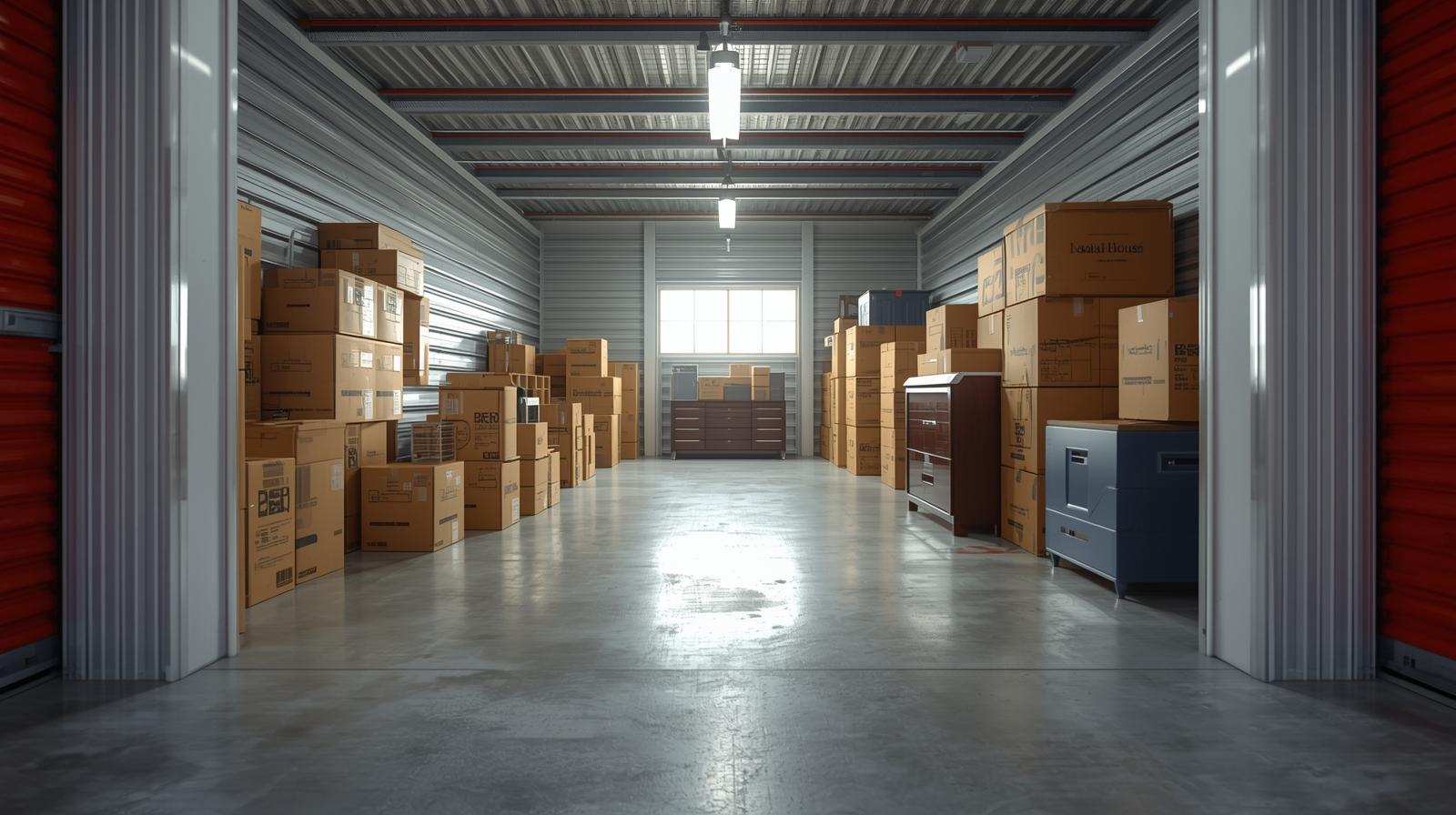
Person placing boxes into a self storage unit hallway

If you’re trying to figure out how big a 10x10 storage unit is, you’re not alone. This is one of the most popular unit sizes because it offers a great balance between space and affordability. Whether you’re moving, decluttering, or storing business items, understanding what fits inside can help you make the right decision. If you're still comparing options, this guide on what size storage unit do I need can help you choose the right fit based on your situation. Many people choose storage units in Staunton because a 10x10 unit is versatile enough to handle a wide range of situations. What Are the Dimensions of a 10x10 Storage Unit? A 10x10 storage unit measures 10 feet wide by 10 feet deep, giving you a total of 100 square feet of floor space. Most units also have ceilings that are around 8 feet high, which adds vertical storage potential. To put that into perspective, a 10x10 unit is roughly the size of a small bedroom or half of a standard one-car garage. While it may not seem huge at first, it can hold a surprising amount when packed efficiently. What Can Fit in a 10x10 Storage Unit? A 10x10 unit is typically large enough to store the contents of a one-bedroom apartment or a small two-bedroom home. This makes it a common choice for people who are moving, renovating, or temporarily downsizing. Here are some of the items that can usually fit inside: A queen or king mattress and bed frame A sofa or sectional Dining table and chairs Dressers and nightstands Appliances like a refrigerator or a washer/dryer Boxes filled with clothing, kitchen items, and personal belongings If packed properly, you can fit multiple rooms’ worth of furniture along with several stacked boxes. How Much Space Does 100 Square Feet Really Give You? The key to understanding a 10x10 unit is thinking beyond just floor space. Because of the height, you’re working with about 800 cubic feet of storage. That means you can stack boxes and items vertically, which significantly increases how much you can ...


Safe Storage 365
March 19th, 2026


How to Store a Mattress in a Storage Unit: A Complete Guide


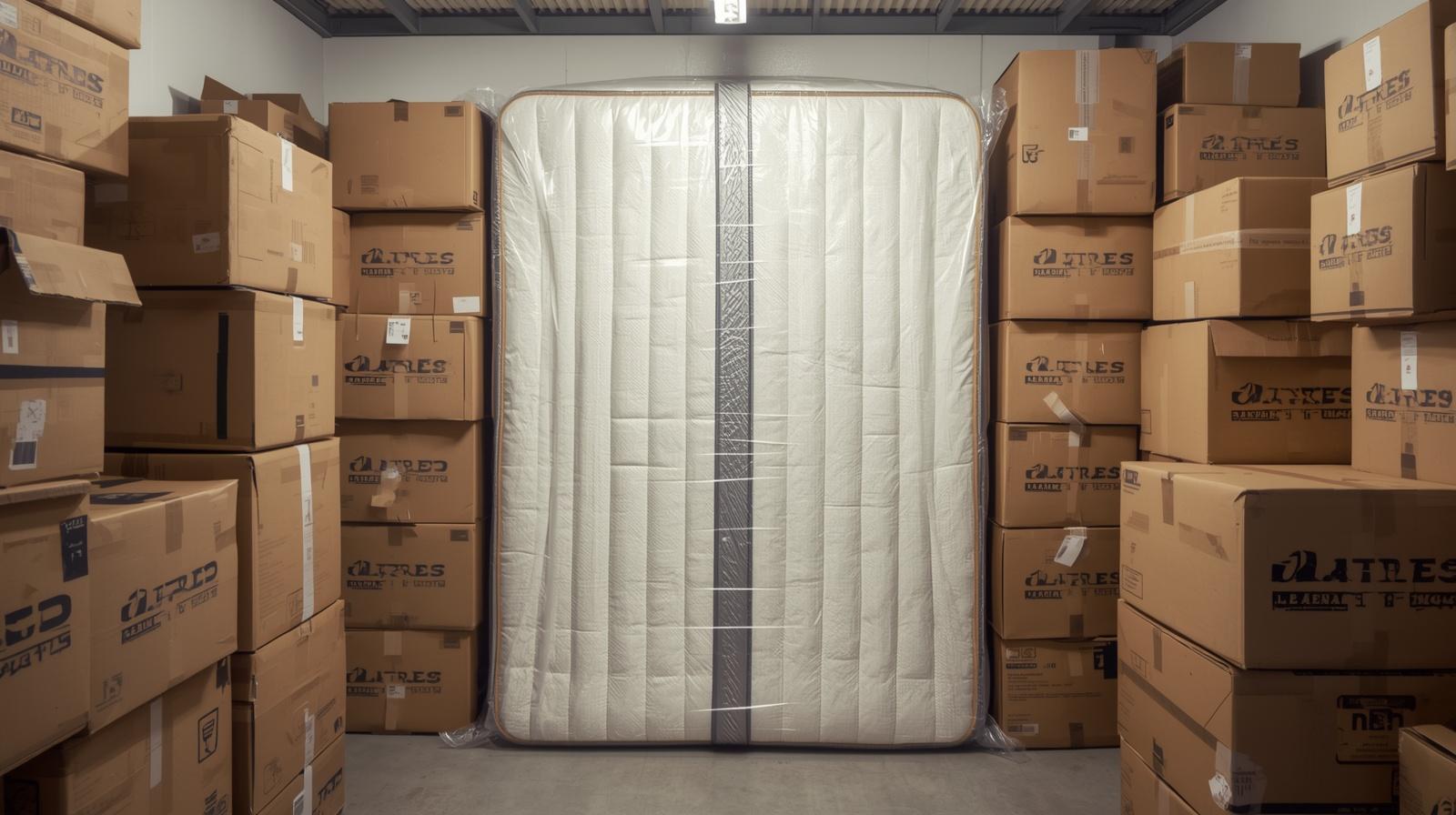
Mattress stored upright in a storage unit surrounded by moving boxes

If you’re planning a move, downsizing, or just need extra space, knowing how to store a mattress properly can help prevent damage, odors, and costly replacements later. A mattress is a big investment, and storing it properly helps keep it clean and comfortable for future use. Many people rely on storage units in Staunton during transitions, especially when dealing with large items like mattresses. Why Proper Mattress Storage Matters Mattresses are made with materials that can easily absorb moisture, odors, and dust if they’re not protected. Improper storage can lead to mold, mildew, or even permanent structural damage. Even short-term storage can cause issues if the mattress is left exposed or stored incorrectly. Taking a few extra steps upfront can help preserve its quality and extend its lifespan. Step 1: Clean Your Mattress Before Storage Before placing your mattress in storage, it’s important to clean it thoroughly. Dirt, dust, and moisture can worsen over time if left untreated. Start by vacuuming both sides of the mattress to remove debris. If there are any stains, use a mild cleaner and allow the mattress to fully dry before storing it. Moisture is one of the biggest risks when storing a mattress, so make sure it’s completely dry. For general mattress care and cleaning tips, the Sleep Foundation mattress care guide offers helpful recommendations on keeping your mattress in good condition. Step 2: Use a Mattress Storage Bag or Cover One of the most important steps is protecting your mattress with a proper cover. A mattress storage bag or plastic cover helps keep out dust, dirt, and pests. Make sure the cover fits snugly and is sealed well. Avoid using thin or torn plastic, as it won’t provide enough protection. A high-quality cover is a simple investment that can prevent major issues later. Step 3: Choose the Right Storage Unit Not all storage units are ideal for mattresses. If possible, choose a clean, dry unit that protects your belongings from extreme conditions. Climate-controlled storage is often the best option, especially ...


Safe Storage 365
March 19th, 2026


Choosing the Right Storage Unit Size for a 3 Bedroom House: A Practical Guide


,If you’re planning a move, renovation, or temporary transition, one of the first questions that comes up is how much storage space you actually need. Anyone planning a move to Staunton, VA quickly realizes how much furniture, boxes, and everyday belongings can add up in a three-bedroom home. Using a reliable sizing resource like the SafeStorage365 storage size guide can help you avoid renting too small and needing to move everything again later. Choosing the right unit upfront saves time, money, and a lot of unnecessary stress. This guide walks through the most common storage unit sizes for a three bedroom house, explains what typically fits, and helps you think through the details that actually make a difference. For a room-by-room breakdown of what fits in each unit, our storage unit size guide walks through common layouts and use cases. Quick answer: the most common sizes that work Most three bedroom homes need more space than people expect. Furniture alone can fill a unit quickly, especially once you factor in mattresses, appliances, and boxed items from closets and kitchens. 10x15 is the starting point for most people A 10x15 storage unit is often where people begin when storing a three bedroom home. It can work well for storing furniture from most rooms, but not everything. This size typically fits several mattresses, a couch, a dining table, dressers, and a moderate number of boxes. It is a solid option if you are downsizing or only storing part of your home during a move. 10x20 for a whole three bedroom home, including larger furniture sets A 10x20 unit is the most common recommendation for a full three bedroom house. This size can usually hold furniture from all bedrooms, a living room set, dining furniture, appliances, and stacked boxes. If you are storing your entire household, this is often the safest and most flexible choice. 10x30 for big homes, garages, or the whole household plus outdoor gear A 10x30 unit is best for larger three bedroom homes or households with full garages. This ...


Safe Storage 365
December 15th, 2025


A Local’s Guide to the Best Things to Do in Staunton, VA


If you are getting to know Staunton for the first time or settling into life in the Shenandoah Valley, it does not take long to see why people love living here. Staunton blends small town charm with culture, food, and outdoor access in a way that feels easy and welcoming. Whether you are visiting for a weekend or moving to staunton, having room to explore often means having room at home too, which is why many locals rely on self-storage in Staunton to stay organized while enjoying everything the area has to offer. Staunton sits at the crossroads of history, arts, and nature. It is walkable, full of character, and close to some of Virginia’s most beautiful scenery. Below is a practical guide to the best things to do in Staunton, VA, written for both residents and newcomers who want to experience the town beyond the surface. Why Visit Staunton, Virginia? Staunton stands out because it feels lived in rather than touristy. The downtown is compact and easy to explore on foot, with brick sidewalks, local shops, and historic buildings that still serve a purpose. You can spend the morning browsing bookstores, catch a matinee performance in the afternoon, and still be hiking or sipping wine before sunset. If you’re exploring where to live, our guide to the best neighborhoods in Staunton, VA breaks down which areas fit different lifestyles. Location is another big draw. Staunton sits right along I-81, making it easy to reach while still feeling removed from larger cities. It also serves as a gateway to the Shenandoah Valley, so outdoor adventures are always close without overwhelming everyday life. Top Things to Do in Staunton, VA Explore Historic Downtown Staunton Downtown Staunton centers on Beverley Street, and this is where most first time visitors start. The area is filled with independent shops, galleries, antique stores, and cafes. You will find bookstores next to art studios and restaurants tucked inside beautifully preserved buildings. It is an ideal place to wander without a set plan. Downtown also hosts ...


Safe Storage 365
December 1st, 2025


How Much Does a Storage Unit Cost? A Complete Guide for Renters and Movers


If you are considering self storage, one of the first questions you have is about the cost. Prices vary widely depending on location, size, and features, which can make things confusing if you are new to storage. Understanding the average price of different unit sizes and the factors that influence the cost will help you make a more informed choice. Whether you are moving, downsizing, or need extra space, this guide will walk you through everything you need to know. If you are already looking for options, you can start by checking out SafeStorage365 to compare affordable and secure units near you. Average Cost of Storage Units The national average for a standard 10x10 storage unit is between $100 and $150 per month; however, prices can range from as low as $50 for smaller units to over $250 for large climate-controlled spaces in major cities. A smaller 5x5 unit typically costs around $40 to $70 per month, making it a popular choice for students or individuals with just a few boxes to store. On the other hand, a 10x30 can cost anywhere from $200 to $400 per month, depending on the location and demand.These averages give you a starting point, but your actual price will likely depend on several other key factors. Factors That Influence Storage Unit Prices Location Like housing, storage costs vary dramatically by geography. Facilities in large metropolitan areas, such as New York, San Francisco, or Los Angeles, are priced higher due to high demand and limited real estate. Smaller cities and suburban areas tend to be more affordable. Even within the same town, facilities closer to downtown may charge more than those located in outer neighborhoods. For individuals relocating to a new area, comparing facilities in the nearby cities can often result in significant savings. If you’re moving to Virginia, our Staunton relocation guide shares tips on budgeting for housing and storage. Size of the Unit Unit size has the most significant impact on cost: the larger the square footage, the higher the ...


Safe Storage 365
September 23rd, 2025


How Big Is a 5x10 Storage Unit? What You Can Really Fit Inside


When people start looking for storage, one of the most common questions is about size. The 5x10 storage unit is one of the most popular options because it strikes a balance between affordability and space. If you’re moving, decluttering, or need extra room, understanding what a 5x10 can hold will help you make the right choice. If you’re already comparing facilities, you can start with options at SafeStorage365 to see how this size might fit your needs. Understanding the Dimensions A 5x10 storage unit measures 5 feet wide and 10 feet deep, providing approximately 50 square feet of floor space. The typical height is eight feet, which translates to about 400 cubic feet of usable space. Think of it as half the size of a standard one-car garage. With vertical stacking, you can make a significant difference in how much you fit. Units are designed to handle a mix of furniture, boxes, and appliances, making them versatile for short or long-term storage. Visualizing the Space If numbers don’t help you picture it, compare the space to everyday settings. A 5x10 is similar to a large walk-in closet, the bed of a pickup truck, or a small bedroom. Thinking about how much furniture or boxes could fit in those areas makes it easier to see the usefulness of this unit size. For people moving from a small apartment or downsizing temporarily, imagining the unit as an extra closet or spare room helps bring it into perspective. What Fits in a 5x10 Storage Unit? A 5x10 can hold more than most people expect. A queen mattress, small couch, dresser, and several boxes can easily fit together. Appliances like a refrigerator, washer, or dryer also work well in this size. Packed correctly, a 5x10 can hold the contents of a small one-bedroom apartment or studio. Motorcycles, bicycles, and seasonal gear such as camping equipment or holiday decorations are also a good match. For businesses, shelving with stacked boxes of files or inventory can make the space highly efficient. If ...


Safe Storage 365
September 8th, 2025


Storage Unit Size Guide: What Fits in Each Unit and How to Choose


Smiling man and woman holding cardboard boxes inside a self-storage unit, preparing to move or organize their belongings.

Moving, decluttering, or just needing a little extra room all come with the same big question: what size storage unit do I need? Choosing the right size isn’t just about guessing how much stuff you have—it’s about saving money, making your move easier, and avoiding the frustration of renting too little (or paying for space you don’t need). At SafeStorage365, we see this question come up all the time, especially from residents and people moving to the area. The good news is, with a bit of planning, you can figure it out quickly and confidently. Understanding Storage Unit Sizes Storage units are measured in square feet—usually width times length—and most facilities have ceilings around 8 feet tall, giving you a lot of vertical space. For example, a 10x10 unit is 100 square feet of floor space, but closer to 800 cubic feet when you factor in height. That means you can stack boxes or furniture carefully to maximize space. Keep in mind, however, that layouts can vary by facility. Some may have slightly deeper or wider units, and ceiling heights aren’t always identical. Always ask your storage provider if you’re unsure. Factors to Consider When Choosing a Storage Unit Before you choose, think through a few key details. The amount and type of belongings is the obvious one—are you storing boxes, furniture, or vehicles? Duration matters too: if you’re storing long-term, you’ll want room to create small aisles so you can access things without unloading the whole unit. Accessibility is another factor—if you plan on visiting often, you won’t want to pack stuff in so tightly that it’s impossible to move around. And don’t forget special considerations like fragile items or temperature-sensitive belongings that may require climate control. Storage Unit Size Guide Here’s a breakdown of standard sizes and what typically fits inside: 5x5 (25 sq. ft.): Think of a small walk-in closet. Great for a few boxes, small furniture, or seasonal items. 5x10 (50 sq. ft.): Comparable to a walk-in closet or half a bedroom. It can ...


Safe Storage 365
August 26th, 2025


What Is a Climate-Controlled Storage Unit? A Local’s Guide to Safer Storage


When deciding where to store your belongings, whether you're clearing out space, staging your home for sale, or relocating to a new area, you'll likely encounter the option for climate-controlled storage. If you're wondering what it is, how it works, and whether it's worth the extra cost, this guide breaks it all down in simple terms. At its core, a climate-controlled storage unit is an indoor space where temperature and humidity levels are regulated to protect your items from extreme environmental conditions. It's not just about staying cool in the summer. These units are designed to shield your belongings year-round from heat, cold, moisture, and anything in between. Facilities like climate controlled storage in Staunton offer extra protection and peace of mind, especially when storing items that matter. Let’s walk through how these units work, what they’re best used for, and how to decide if it’s the right choice for your situation. How Climate-Controlled Storage Works Unlike standard drive-up storage units that are exposed to the outside environment, climate-controlled units are typically located inside buildings. These indoor units are equipped with HVAC systems, insulation, and often dehumidifiers to maintain a safe temperature range, usually between 55°F and 85°F, and a relative humidity level around 55%. This stable environment helps prevent damage like mold, mildew, rust, or warping. Regulating both temperature and moisture essentially simulates indoor, home-like conditions that protect delicate belongings long-term. Climate-Controlled vs. Non-Climate-Controlled Storage The biggest difference comes down to environmental protection. A traditional unit is like a garage. It keeps out rain and wind, but it doesn't control indoor temperature. If it's 95°F outside, it could easily reach over 110°F inside that unit. Climate-controlled storage, on the other hand, keeps the interior temperature and humidity levels stable regardless of the season. If you’re storing boxes of household supplies or yard equipment for just a few weeks, a standard unit might be enough. But for anything fragile or high-value, choosing climate control is the smarter, safer move. Types of Climate-Controlled Storage Units Not all storage facilities offer the ...


Safe Storage 365
July 25th, 2025


Items per page
10
1 - 10 of 14 posts
Categories