
How to Store a Mattress in a Storage Unit: A Complete Guide
How to Store a Mattress in a Storage Unit: A Complete Guide
Safe Storage 365
March 19th, 2026
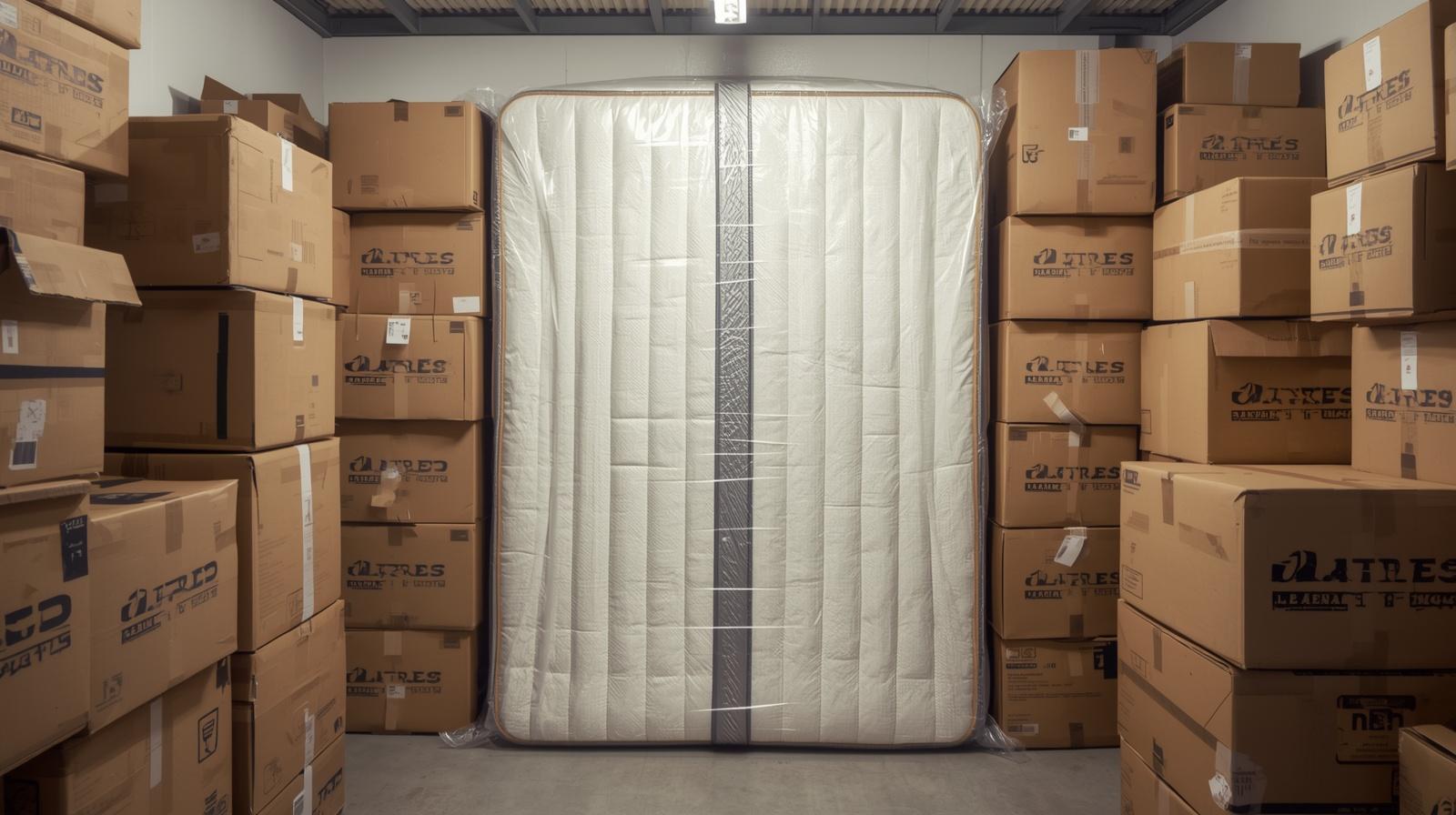
If you’re planning a move, downsizing, or just need extra space, knowing how to store a mattress properly can help prevent damage, odors, and costly replacements later. A mattress is a big investment, and storing it properly helps keep it clean and comfortable for future use.
Many people rely on storage units in Staunton during transitions, especially when dealing with large items like mattresses.
Why Proper Mattress Storage Matters
Mattresses are made with materials that can easily absorb moisture, odors, and dust if they’re not protected. Improper storage can lead to mold, mildew, or even permanent structural damage.
Even short-term storage can cause issues if the mattress is left exposed or stored incorrectly. Taking a few extra steps upfront can help preserve its quality and extend its lifespan.
Step 1: Clean Your Mattress Before Storage
Before placing your mattress in storage, it’s important to clean it thoroughly. Dirt, dust, and moisture can worsen over time if left untreated.
Start by vacuuming both sides of the mattress to remove debris. If there are any stains, use a mild cleaner and allow the mattress to fully dry before storing it. Moisture is one of the biggest risks when storing a mattress, so make sure it’s completely dry.
For general mattress care and cleaning tips, the Sleep Foundation mattress care guide offers helpful recommendations on keeping your mattress in good condition.
Step 2: Use a Mattress Storage Bag or Cover
One of the most important steps is protecting your mattress with a proper cover. A mattress storage bag or plastic cover helps keep out dust, dirt, and pests.
Make sure the cover fits snugly and is sealed well. Avoid using thin or torn plastic, as it won’t provide enough protection. A high-quality cover is a simple investment that can prevent major issues later.
Step 3: Choose the Right Storage Unit
Not all storage units are ideal for mattresses. If possible, choose a clean, dry unit that protects your belongings from extreme conditions.
Climate-controlled storage is often the best option, especially in areas with high humidity or temperature changes. It helps prevent moisture buildup and protects the materials inside your mattress.
You can learn more about proper storage conditions from the EPA moisture control guidelines, which explain how humidity can affect indoor materials over time.
Step 4: Store the Mattress Flat (Not Upright)
One of the most common mistakes is storing a mattress on its side. While it may seem like a space-saving option, it can cause the internal structure to shift or sag over time.
Always store your mattress flat whenever possible. This helps maintain its shape and support. If you absolutely need to store it upright for a short period, avoid placing heavy items on top of it and return it to a flat position as soon as you can.
Step 5: Keep It Off the Ground
Placing your mattress directly on the floor of a storage unit can expose it to dust and potential moisture. Instead, elevate it slightly using a pallet, platform, or even a few boards.
This allows air to circulate underneath and adds an extra layer of protection.
Step 6: Avoid Stacking Heavy Items on Top
Even though a mattress may seem sturdy, placing heavy boxes or furniture on top can damage its internal structure. Keep the mattress clear of heavy weights. If you’re organizing a storage unit, position the mattress so it stays flat and undisturbed.
If you're organizing multiple items, it helps to understand what size storage unit do I need so you can avoid overcrowding and protect larger items like mattresses.
Step 7: Allow for Airflow
While it’s important to protect your mattress, it’s also helpful to allow some airflow within the storage unit. Completely sealing items without ventilation can trap moisture.
If possible, leave a little space around the mattress so air can circulate. This reduces the risk of odors or mildew developing over time.
Step 8: Check on It Periodically
If you’re storing your mattress long-term, it’s a good idea to check on it occasionally. This allows you to catch any issues early, such as moisture buildup or damage to the cover.
Even a quick visit every couple of months can help ensure your mattress stays in good condition.
Common Mistakes to Avoid
Many storage problems come from simple mistakes that are easy to prevent. Avoid storing a mattress without a cover, placing it in a damp unit, or leaving it upright for long periods.
Skipping the cleaning step is another common issue. Any dirt or moisture left on the mattress can worsen over time and become much harder to fix later.
How Long Can You Store a Mattress?
A mattress can be stored for several months or even years if it’s properly protected. The key is to maintain a clean, dry environment and follow the steps outlined above.
Climate-controlled units are especially helpful for long-term storage, as they reduce the risk of temperature and humidity damage.
When to Replace Instead of Store
In some cases, it may make more sense to replace a mattress rather than store it. If the mattress is already worn out, sagging, or heavily stained, storing it may not be worth the effort.
However, if your mattress is still in good condition, proper storage can help preserve it until you’re ready to use it again.
Final Thoughts on Storing a Mattress
Storing a mattress doesn’t have to be complicated, but it does require a bit of planning. Cleaning it, covering it, and storing it properly can make a big difference in how well it holds up over time.
Whether you’re moving, decluttering, or just need extra space, using self-storage in Staunton can help protect your belongings and give you peace of mind while they’re stored.
Categories